

This site contains affiliate links, view our Disclosure Policy for more information. CTK also utilizes AI tools, view our AI Policy here for more information.
Parisian Apartment decorating tips to channel French-girl interiors with vintage finds, neutral layers, and unapologetic charm.

Most people misunderstand what makes a Parisian apartment work. They assume it’s about ornate moldings or antique furniture, when in reality, it’s about decision-making. A Parisian apartment succeeds because every choice supports how the space is lived in, how light moves through the room, how furniture relates to architecture, and how objects coexist without competing for attention. As an interior decorator, this is the detail I notice first. Before color or furniture, I look at flow, hierarchy, and how the room wants to function.
I learned this lesson early while working with clients in older apartments that lacked grandeur but had strong bones. When we stopped chasing a “look” and instead focused on layout, scale, and editing, the space immediately felt more elevated. That is the promise of the Parisian apartment aesthetic. It does not require a Haussmann building or historic detailing (while it can help, it’s not required). It requires clarity. In this article, you’ll learn how to translate that clarity into actionable choices, what to prioritize, what to leave out, and how to build a layered, polished apartment that feels grounded, intelligent, and genuinely livable.
What Is the Allure of a Parisian Apartment?
The appeal of a Parisian apartment starts with how it was built. These interiors come from a time when construction prioritized durability, craft, and long-term use. Ceiling heights supported light and airflow. Window placement followed proportion rather than efficiency. Architectural details such as moldings, fireplaces, and solid flooring served both functional and aesthetic purposes. In contrast, many contemporary apartments emphasize speed and cost control. Developers rely on standardized layouts and finishes, which often results in spaces that feel interchangeable. Parisian apartments stand apart because their structure already provides visual interest before furniture enters the room.
French interior style builds on that foundation by favoring personal taste over constant change. While trends influence design awareness, they rarely dictate how people furnish their homes. Instead, individuals choose pieces they like and keep them. Furniture stays in rotation because it works. Objects remain because they hold meaning or serve a purpose. Materials such as wood, stone, linen, and metal age visibly, and that aging adds depth rather than detracting from the space. This approach produces interiors that feel settled and practical rather than styled for effect.
Taken together, these factors create a design framework that translates well across cultures. The Parisian apartment does not rely on a fixed look or specific furniture styles. It relies on clarity. Strong architecture establishes structure. Thoughtful editing prevents overcrowding. Personal furnishings introduce variation without disrupting balance. When contemporary or eclectic pieces sit against traditional architectural elements, the contrast adds interest without feeling forced.
The allure lies in usability. Parisian apartments support daily life while maintaining visual coherence. They demonstrate that a well-designed interior does not require constant updates or decorative excess. Instead, it benefits from good bones, selective choices, and an understanding of how architecture and personal style can work together efficiently and comfortably.
Delivered Straight to your Inbox
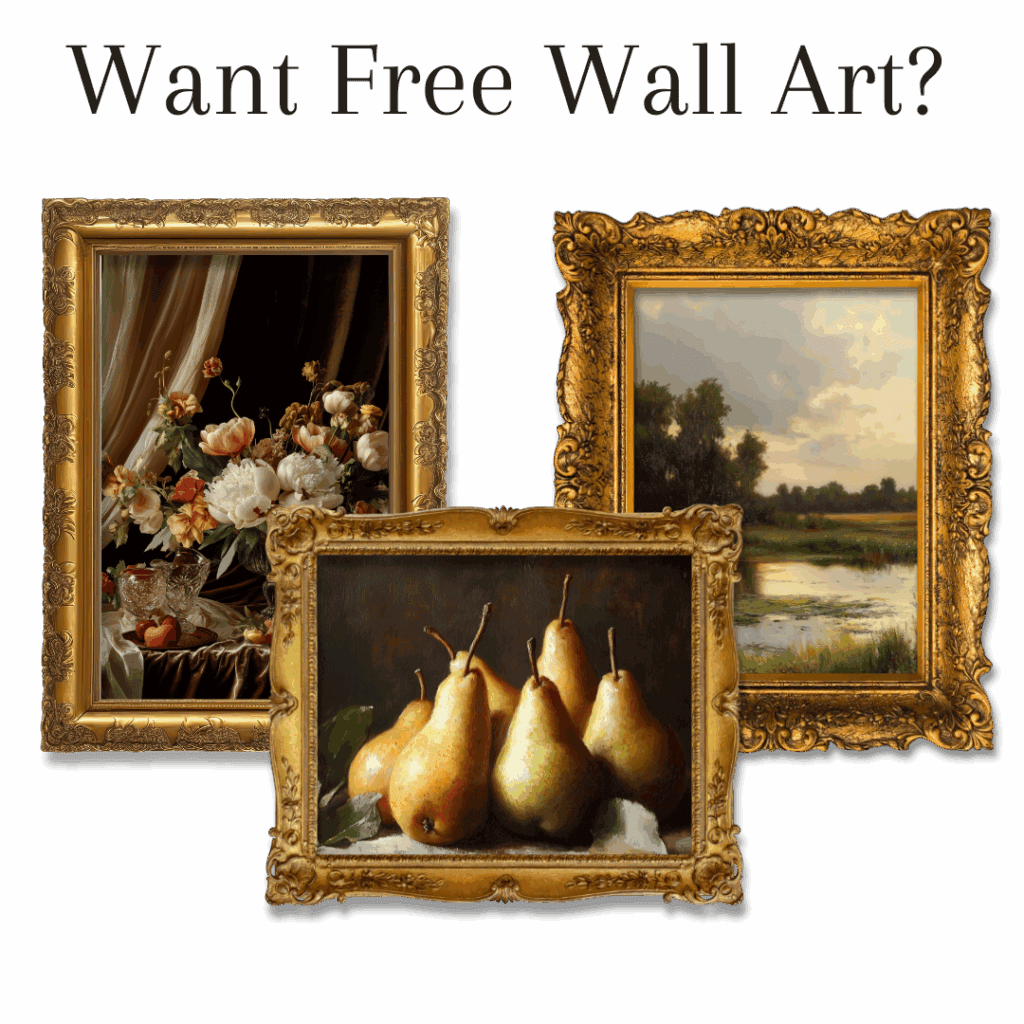
High-quality art designed by CTK…. and it’s free. Does it really get any better than that?! Sign up for our newsletter and get these 3 designs in 4-5 different sizes sent directly to your email.
What Makes an Apartment Have the Parisian Aesthetic?
You can usually identify a Parisian apartment within seconds. These spaces embrace both fluidity and structure within their design. Architectural features establish a clear framework that guides how the room functions and how furnishings interact. Ceiling height, window placement, fireplaces, wall paneling, and door alignments create natural zones within a space. Because the architecture already provides definition, furniture placement feels deliberate, and circulation remains intuitive.
From there, Parisian interiors play confidently with scale and proportion. Rather than avoiding contrast, they use it intentionally. Oversized pieces often sit alongside more delicate forms, yet the room never feels overwhelmed because balance remains the priority. A substantial sofa may anchor a space, while lighter chairs or smaller tables offset its presence. This push and pull creates visual interest while maintaining equilibrium.
Color and material choices further distinguish the aesthetic. While neutrals often provide a foundation, Parisian apartments do not shy away from color. Deep blues, saturated greens, warm terracottas, and even unexpected jewel tones appear frequently, especially through upholstery, art, or accent furniture. These colors feel confident rather than decorative because they integrate thoughtfully into the broader palette. Materials play an equally important role. Wood, stone, linen, wool, metal, and leather appear in finishes that show use and age, which adds depth and authenticity rather than polish for polish’s sake.
Lighting brings the entire composition together. Parisian interiors often pair classic and contemporary lighting to create contrast and layered illumination. A vintage or antique chandelier might coexist with modern table lamps, or sculptural sconces might balance a traditional ceiling fixture. This mix creates tension and warmth while allowing light to serve both functional and atmospheric roles. Multiple light sources reinforce balance, highlight architectural features, and soften the room overall.
What Are the Essential Elements of Classic Parisian Apartment Decor?
When clients ask what they need in their home to achieve a Parisian look, the answer rarely involves a specific sofa or lamp. Instead, classic Parisian decor relies on a short list of foundational elements that work together consistently. These interiors prioritize architectural respect, intentional contrast, and objects that carry visual and emotional weight. Each element contributes to a space that feels layered, confident, and personal rather than themed.
At its core, Parisian decor depends on four key principles:
- Contrast between old and new
- Material richness and tactility
- Furniture that anchors the space
- Objects that reflect lived experience
Rather than matching styles, Parisian apartments thrive on tension. Contemporary pieces often sit alongside classical architecture. Modern silhouettes pair with traditional materials. Decorative restraint allows select items to stand out. This approach creates rooms that feel considered without feeling overdesigned. Once these principles guide decision-making, individual choices, lighting, seating, art, and decor, fall into place naturally.
How to Choose Lighting Fixtures to Achieve a Parisian Chic Aesthetic
Lighting in a Parisian apartment establishes mood and reinforces contrast. The key lies in treating light fixtures as design elements rather than purely functional additions. Primary lighting, often overhead, tends to lean either distinctly classic or distinctly modern. A traditional chandelier or antique fixture may anchor the room, or a clean-lined contemporary pendant may take that role instead.
From there, secondary lighting intentionally contrasts the primary source. Table lamps, floor lamps, and wall fixtures introduce warmth and softness while balancing the room visually. This mix creates depth and tension, which keeps the space from feeling flat or predictable. Lighting should feel sculptural, not technical. Soft diffusion and warm temperatures prevent harsh shadows and highlight architectural detail.
Actionable steps:
- Choose one dominant lighting style for overhead fixtures, either classic or modern.
- Offset that choice with contrasting lamps to create balance.
- Opt for linen, parchment, or lightly textured shades.
- Use warm bulbs around 2700K to soften the room and enhance materials.


How to Choose a Couch to Achieve a Parisian Chic Aesthetic
The sofa often acts as the visual anchor of a Parisian living space. In larger apartments, a statement couch grounds the room and establishes presence. Many Parisian interiors favor sofas with modern or structured silhouettes, yet they rely on tactile materials, linen, wool, or cotton, to soften the look. The contrast between form and material creates comfort without sacrificing sophistication.
In smaller apartments, scale becomes critical. A statement couch still works, but neutral tones prevent it from overpowering the space. Weight matters more than size. A well-chosen sofa provides visual gravity even when its footprint remains modest. Classic elements often appear nearby through rugs, coffee tables, or accent chairs, which balance the sofa’s contemporary lines.
Actionable steps:
- Choose a sofa that anchors the room visually, even in smaller layouts.
- Favor tactile upholstery that invites use rather than pristine finishes.
- Pair modern seating with classic surrounding elements for contrast.
- Keep legs visible to maintain openness and lightness.


How to Choose the Perfect Art for a Parisian Apartment
Art plays a central role in Parisian interiors because it introduces color, pattern, and personal expression. Architectural detailing often sets the stage. When a space includes crown moldings, wall paneling, or decorative plasterwork, art should intentionally contrast those elements rather than mimic them.
Contemporary or abstract works benefit from ornate or traditional frames, which ground them within classical architecture. Conversely, traditional paintings or figurative pieces often feel fresher when paired with bold, modern frames. This tension defines the Parisian approach. Art also provides an ideal opportunity to introduce saturated color and pattern without overwhelming the room.
Actionable steps:
- Use framing to create contrast between art and architecture.
- Introduce color through artwork rather than large furniture pieces.
- Mix mediums to avoid visual monotony.
- Choose pieces that reflect personal taste rather than decorative trends.
Parisian Apartment Style: Signature Decor Items
Decorative objects in Parisian apartments tell a story. Books, ceramics, mirrors, and collected objects add depth when they reflect lived experience rather than styling intent. Items often show age or patina, which prevents spaces from feeling overly new or generic. These details soften modern elements and connect the home to time and place.
Vintage mirrors, sculptural ceramics, antiques, and found objects introduce character. Metals and finishes mix freely, brass, bronze, iron, and chrome coexist comfortably. Books deserve equal consideration. Coffee table and shelf styling should reflect interests, travels, and intellectual curiosity, helping the room feel personal and inhabited.
Actionable steps:
- Display objects collected over time rather than purchased all at once.
- Favor items with patina or visible age to add character.
- Mix metals and finishes without overthinking uniformity.
- Curate books intentionally to help narrate the story of the space.


How Can I Decorate a Parisian Apartment With Authentic French-Style Furniture?
When people talk about “authentic French furniture,” they often misunderstand the role it plays in a Parisian apartment. The aesthetic does not depend on filling a space with historically French pieces. Instead, it emerges from how furniture interacts with architecture and how contrast creates tension within the room.
Start by assessing your apartment’s architectural details. Look closely at what already exists. Crown moldings, original or stylized hardwood floors, decorative door casings, ornate hardware, and even older radiators all contribute visual weight. Take note of these elements before purchasing anything. Once you identify what feels ornate or architectural in the space, you can introduce furnishings that either complement or intentionally contrast those details.
Next, focus on anchoring each room with one primary furniture piece. In living spaces, this typically means the sofa. Decide whether you want the room to feel grounded by a strong, modern silhouette or softened by something more traditional. In Parisian interiors, a structured or contemporary sofa often works well when paired with classic architectural features. If we look at smaller apartments, a neutral statement sofa provides visual weight without overwhelming the space. Other room such as bedrooms, the bed frame becomes the anchor. In offices, the desk or worktable plays that role. In kitchens, cabinetry, islands, or dining tables set the tone. Once the anchor piece feels right, move immediately to lighting, which reinforces contrast and balance.
From there, layer in supporting elements such as rugs, side tables, and accent seating. At every step, return to the idea of tension. Avoid matching styles too closely. Pair clean lines with ornament. Mix old with new. Let each piece earn its place.
Finding the Authentic French Furniture
If you want to introduce truly French furniture, approach it selectively. Learn the characteristics of traditional French styles, curved legs, carved details, lighter wood tones, and elegant proportions. Choose one or two pieces that carry those traits rather than building an entire room around them. Sourcing locally often yields the best results. Antique shops, estate sales, online marketplaces, and resale platforms frequently offer well-made pieces with character. For those willing to invest further, flea markets and antique dealers in France provide access to original furniture with history and presence.
Parisian Apartment Aesthetic: A Final Recap
A Parisian apartment succeeds because it begins with architecture and builds outward with intention. These spaces respect the structure of the building first, ceiling height, window placement, moldings, and material integrity—then allow furniture and decor to respond to those elements rather than compete with them. When architecture leads, the apartment gains clarity and cohesion from the start.
From there, the aesthetic relies on balance rather than uniformity. Parisian interiors play confidently with contrast, pairing modern and classic elements, oversized and delicate forms, and refined and tactile materials. Scale matters, but equilibrium matters more. Every piece relates to the room and to the objects around it, which allows the space to feel composed without appearing overly styled.
Material choice and color deepen that composition. Rather than limiting palettes, Parisian apartments use color thoughtfully and without hesitation. Neutrals often ground the space, while bold hues appear through upholstery, art, or accent pieces. Texture takes precedence over pattern, and materials age honestly, adding character rather than detracting from the room.
Lighting reinforces this layered approach. A primary fixture sets the tone, either modern or traditional, while secondary lighting introduces contrast and warmth. Together, these layers create atmosphere and support daily living without relying on excess.
Finally, authenticity comes from personal expression. Parisian apartments do not follow rigid formulas. They evolve through lived experience, meaningful objects, and thoughtful restraint. When architecture, furniture, lighting, and decor work together in dialogue, the result feels balanced, confident, and enduring, a space that functions beautifully while reflecting the individuality of the person who lives within it.